How to Fold Salami for Charcuterie Board Like a Pro

by Bethany Barbar March 21, 2023

Charcuterie Board Ideas

How to Fold Salami for a Charcuterie Board: 5 Easy Ways

There are five easy ways to fold salami for a charcuterie board: the classic salami rose, the wine glass rose, the rosette, the quarter fold, and the simple roll. Each one adds height and color to your spread, and none of them need special tools. Here is exactly how to make every fold.

B
Bethany Barbar
March 21, 2023
Colorful charcuterie board with salami roses, folded deli meats, cheese wedges, nuts, and fresh vegetables arranged on a wooden serving board
The salami rose is the fold everyone asks about, and it takes about two minutes once you have seen it done. Below you will find step by step photos for all five techniques, the best salami to use, and how many slices to plan per guest.

What Are Salami Roses?

A salami rose is thinly sliced salami folded and layered so the finished shape looks like an open flower. It is the centerpiece fold on most charcuterie boards, and it works with almost any cured meat you can slice thin.

The method is simple. You fold each slice into a half moon, line several up in a row, then roll the row into a tight bundle. The folded edges fan open at the top to form the petals.

Once you have the roll, you can leave it whole as one large bloom or make several smaller ones to scatter across the board.

Pick the Right Salami

Selection of salami varieties including Genoa, hard salami, and soppressata arranged for a charcuterie board

There are many types of salami on the market, but the most popular for roses is Genoa salami. It has a firm texture that slices thin without tearing, which is exactly what you want for folding.

Genoa is usually served as an appetizer or paired with cheese and fresh fruit as part of a charcuterie board.

The steps below will help you prepare your salami so you can start building the board.

Best Salami Varieties for Charcuterie Roses

  • Genoa salami. The go-to choice. Firm, finely ground, slices thin without tearing. Best for roses and rosettes.
  • Hard salami. Drier texture holds its shape well. Great for quarter folds and classic rolls.
  • Soppressata. Coarser grind with a rustic look. Works well folded into fans for a more artisan-style board.
  • Chorizo. Adds color and a little spice. Best sliced thin and used alongside milder meats on the board.

Salami Rosette

Folding salami into a rosette is an easy way to add extra flavor and interest to your charcuterie board.

You can make rosettes in advance and store them in the refrigerator under plastic wrap until you are ready to serve. Here is how to make salami roses for the cheese board.

Step 1: Fold Your Salami

Take four slices of salami and fold each one in half so you have four half-moon shapes.

If you want a richer center, tuck a couple of thin cheese slices between the folds so the pieces hold together as you build.


Step 2: Line Up the Salami

Once your four slices are folded, lay them out in a row so the straight edges line up and each half-moon overlaps the next slightly. Then roll the whole row up into a tight bundle.

Start from one end and keep rolling until there are no gaps between the layers and it looks like one solid unit.


Step 3: Secure With Toothpicks

Pin the rose to the board with toothpicks. Use one or two per rose depending on its size, and cross them so the base stays put.

Leave a little space between the toothpicks so air can circulate around the salami.

Angle each toothpick so it does not poke out the sides, which keeps the shape clean.


Step 4: Arrange the Petals

Now gently fan the top layers open to form the petals. This is the step that turns a roll into a flower.

Spread the outer petals a little wider than the inner ones so the rose looks like it is opening from the center out.

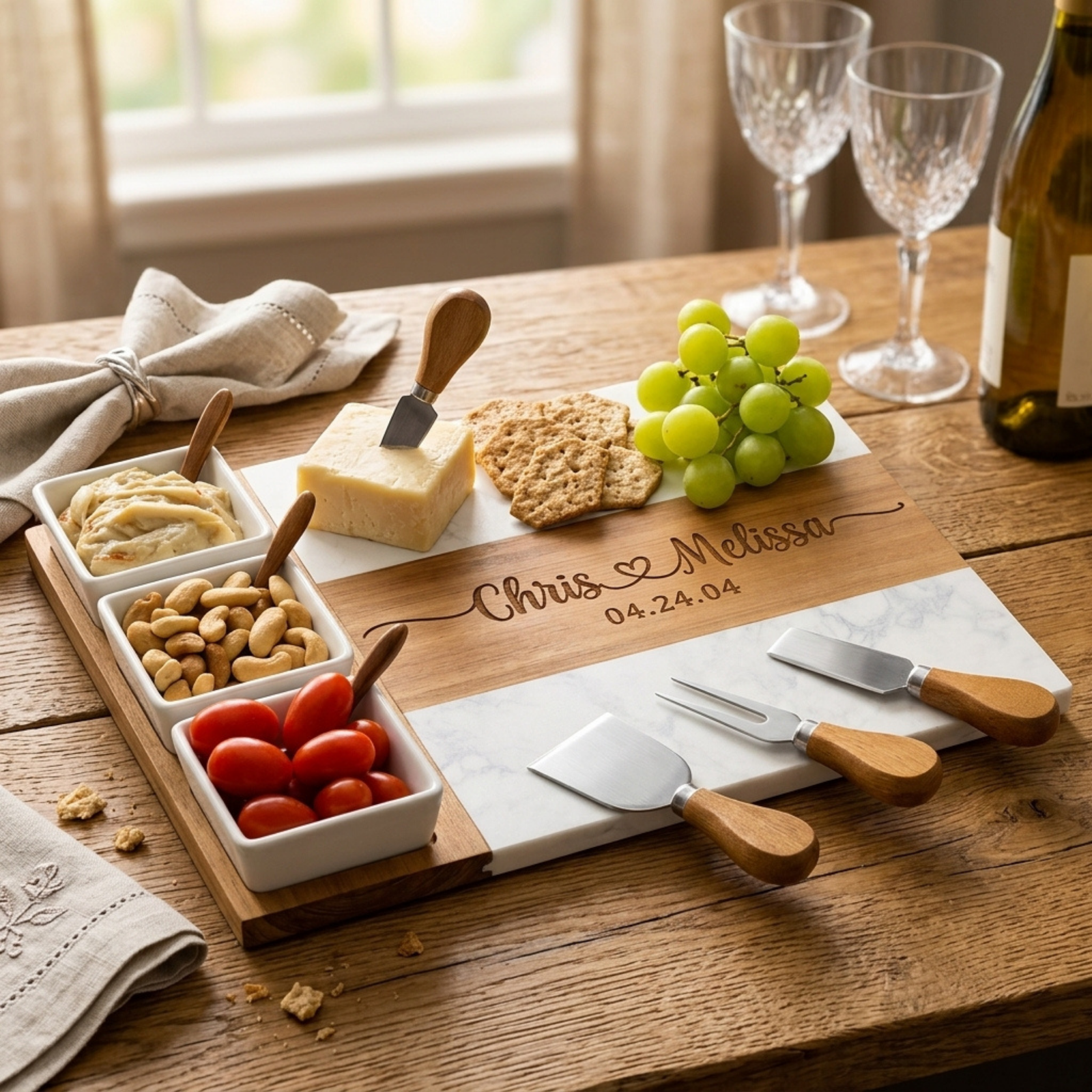
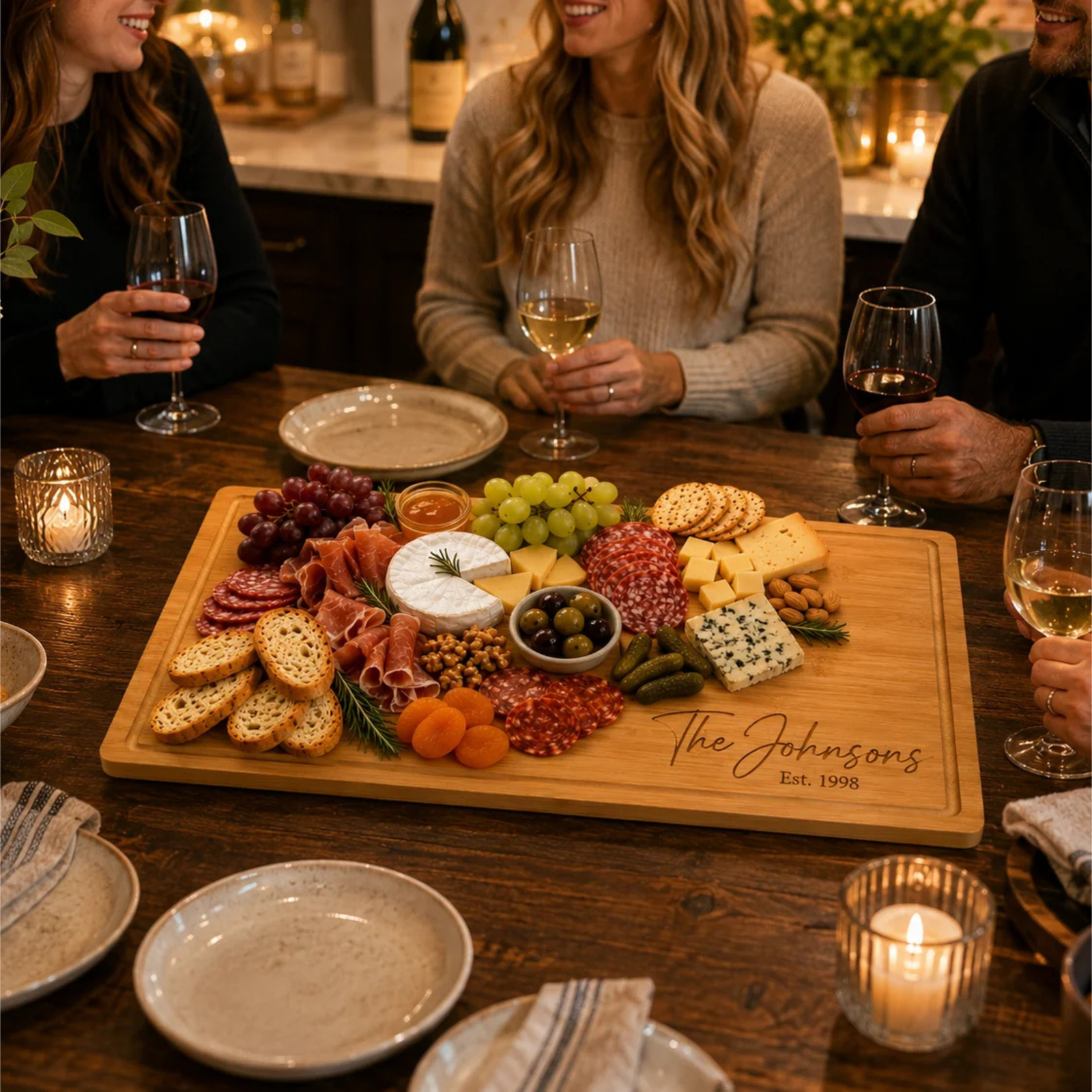
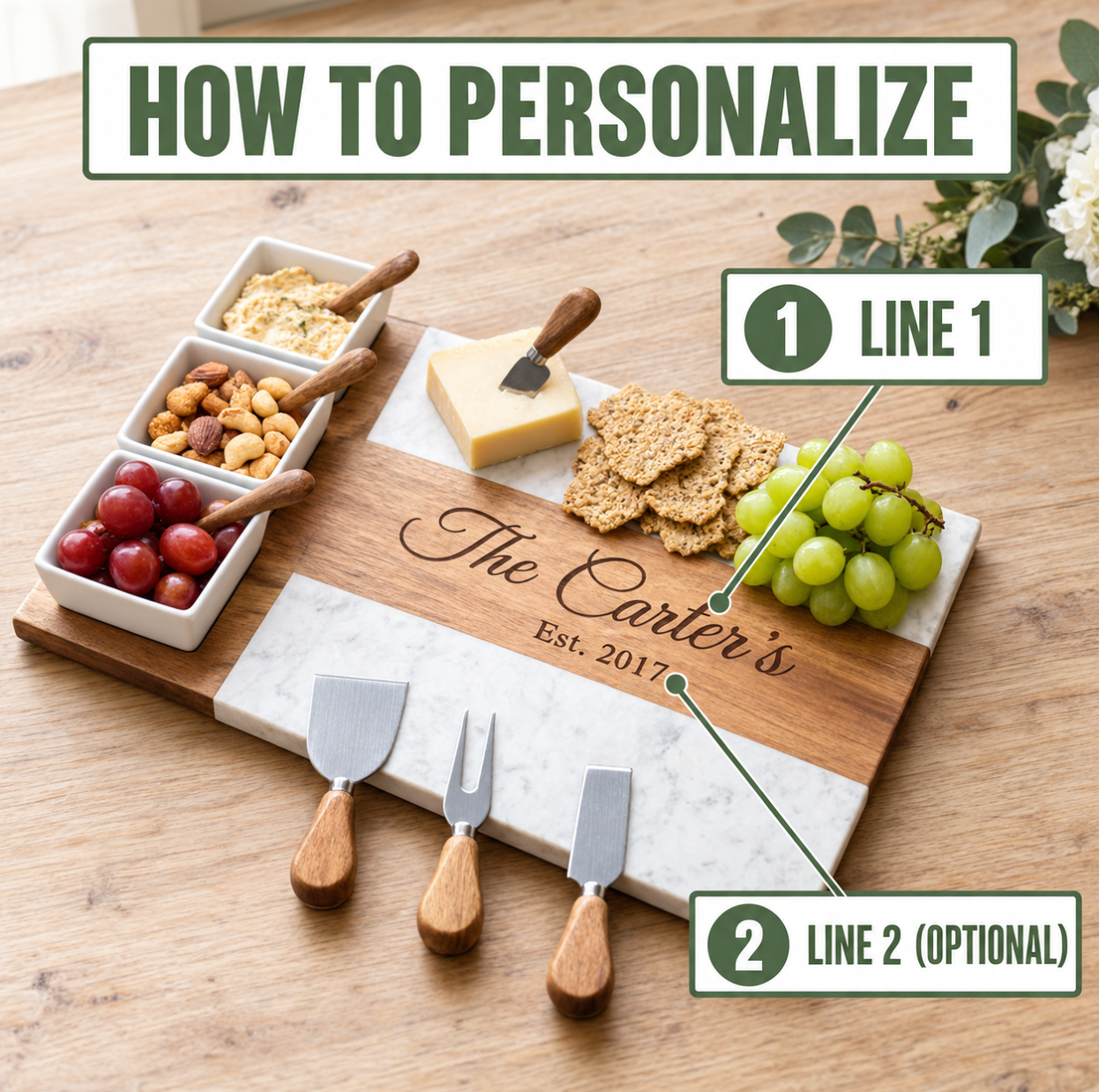
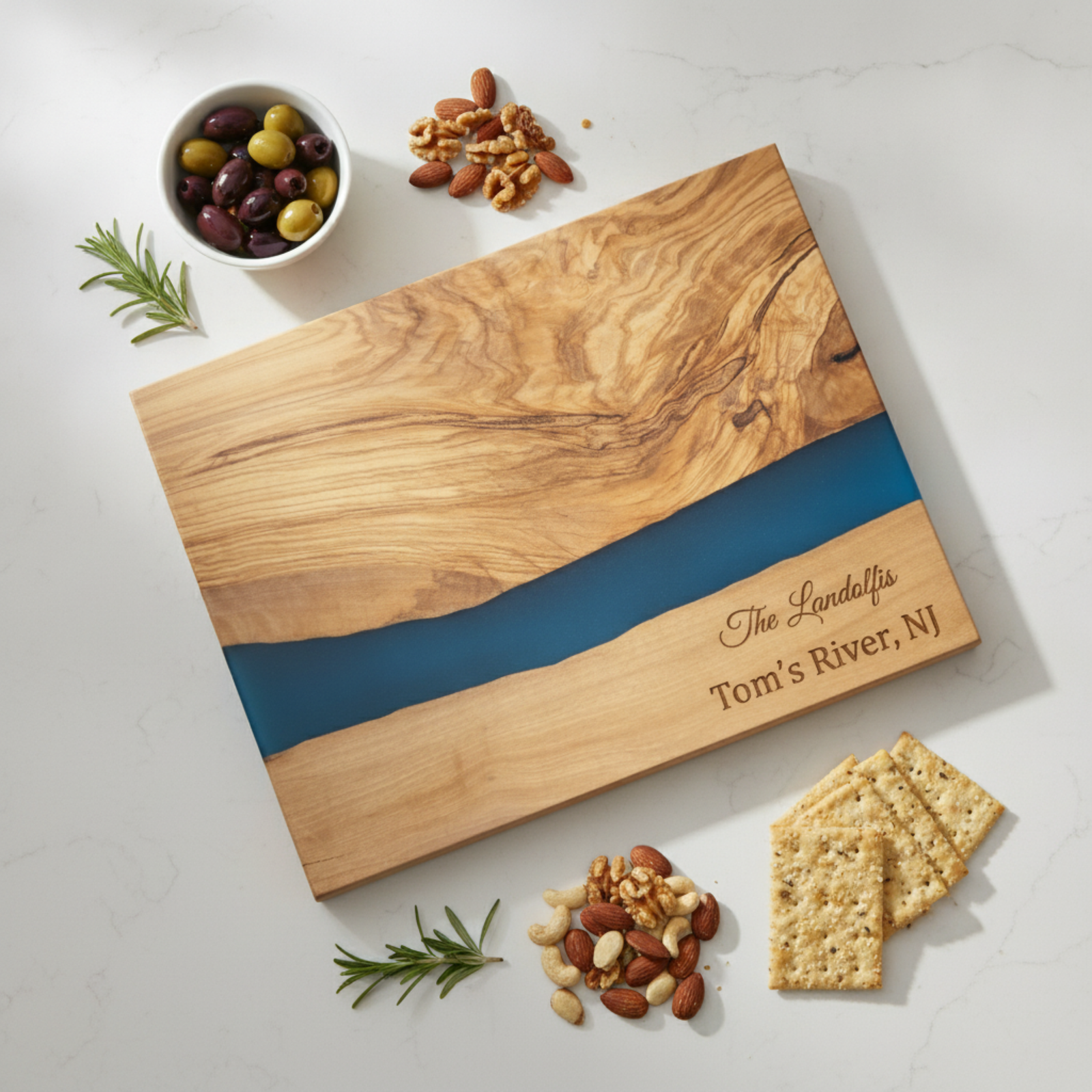
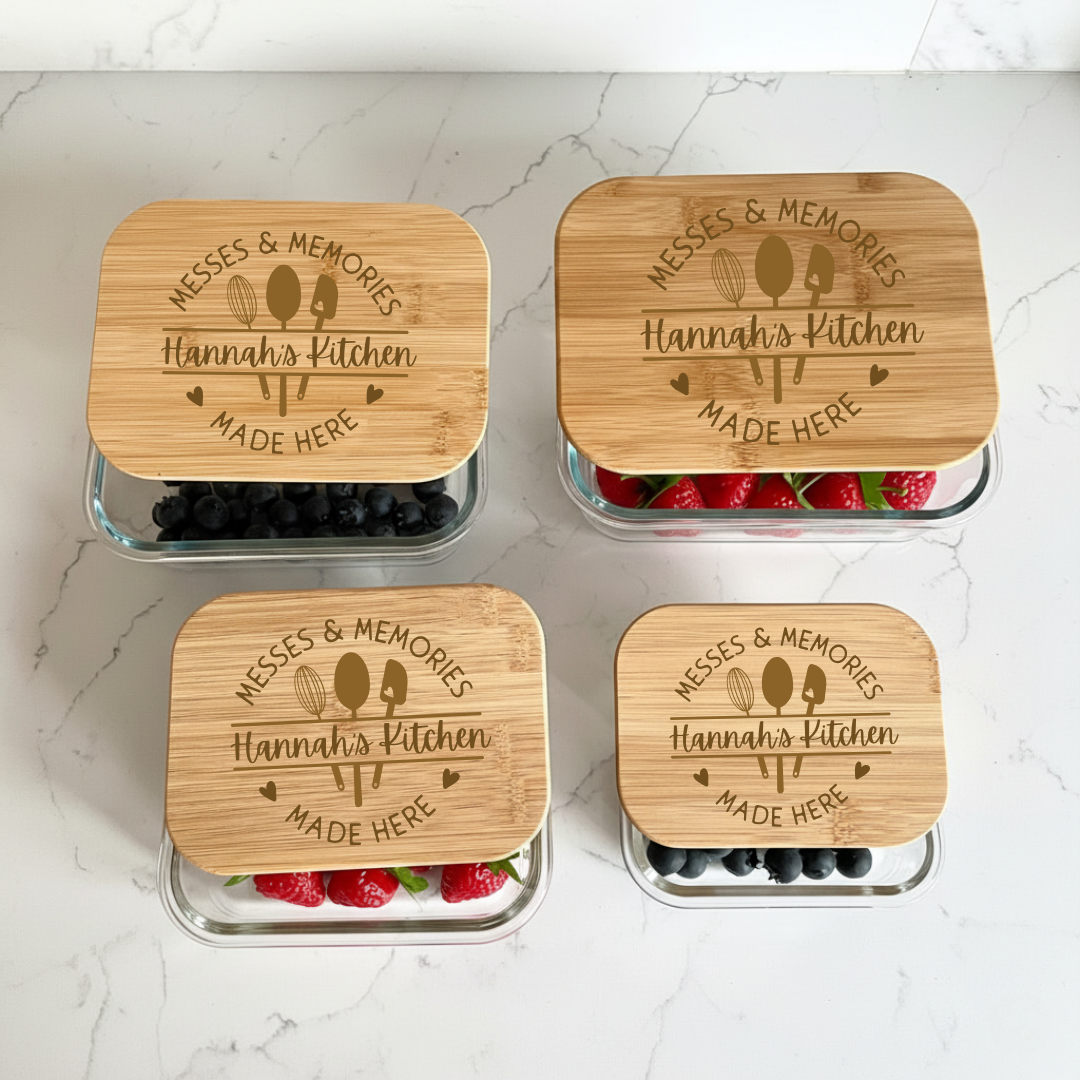
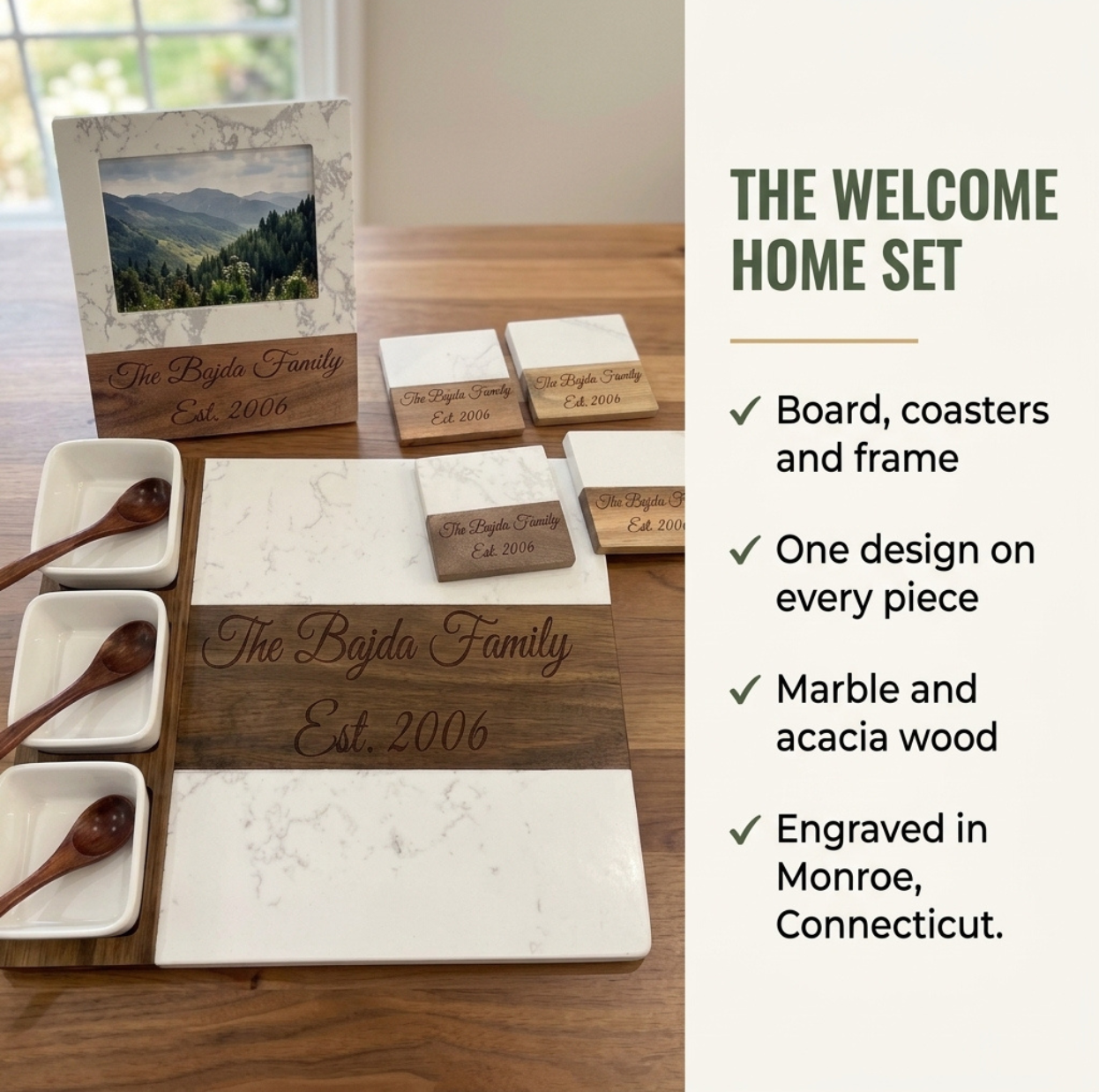
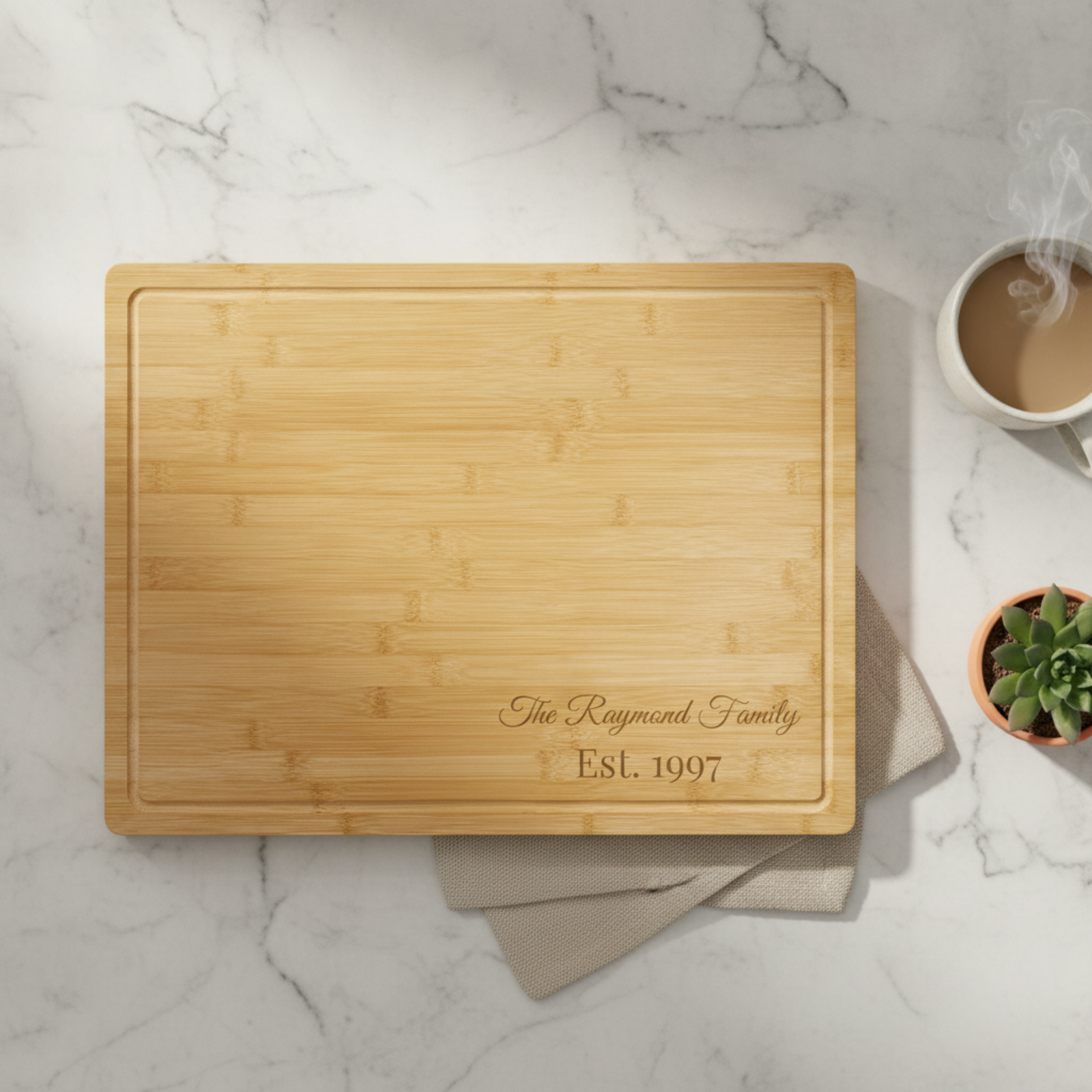
Once you have the salami rose down, the board you serve it on becomes part of the presentation. These personalized charcuterie boards from Willow & Hive are made to show off exactly that kind of effort.

Charcuterie Board

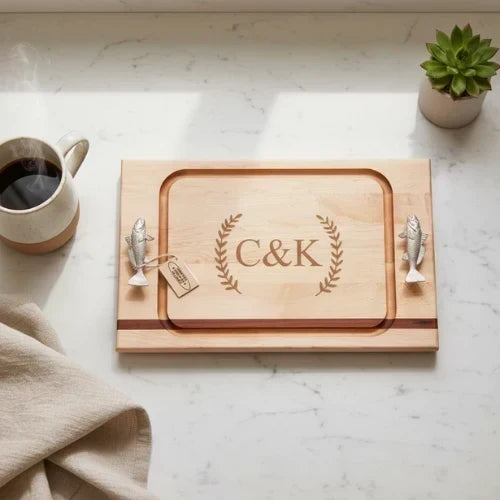
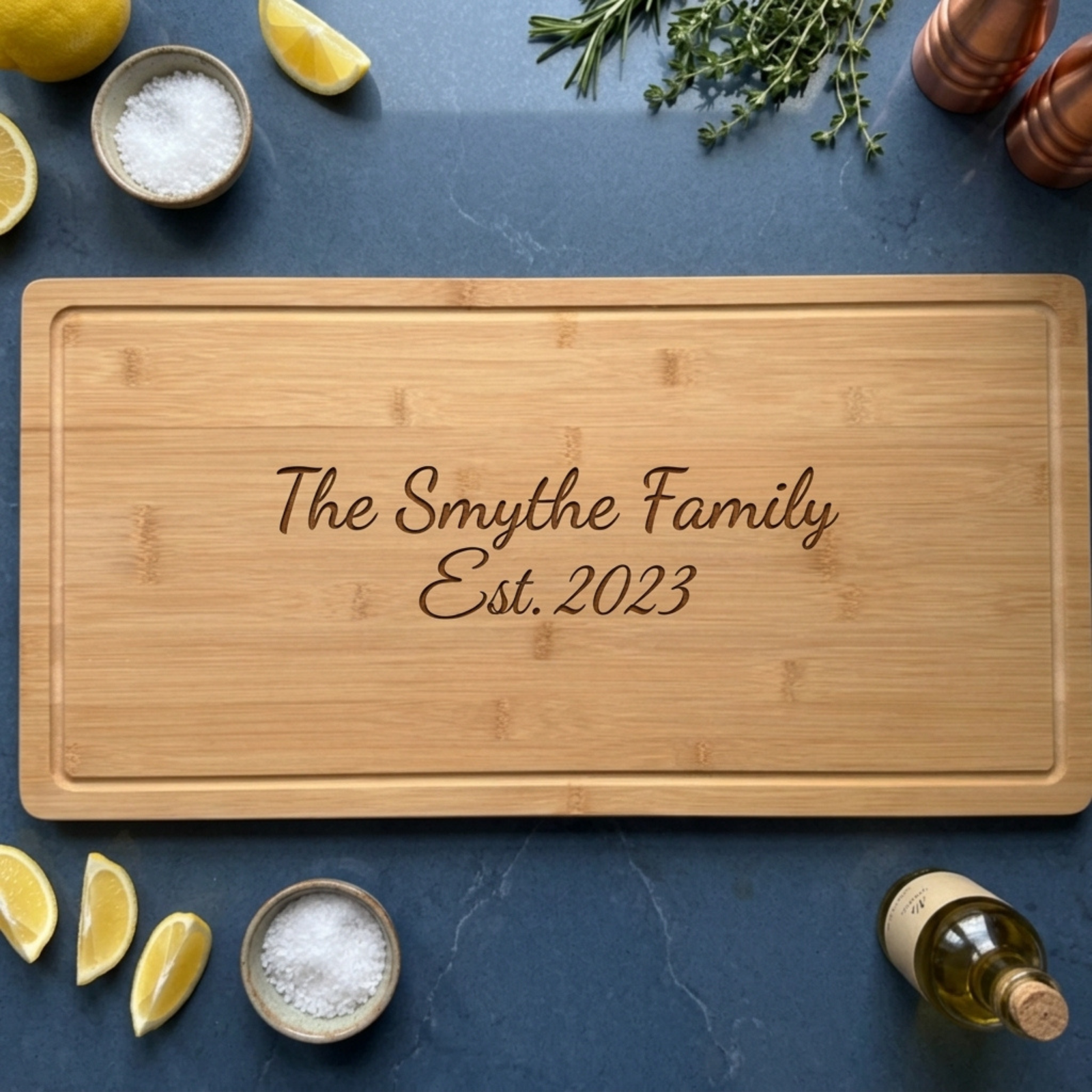
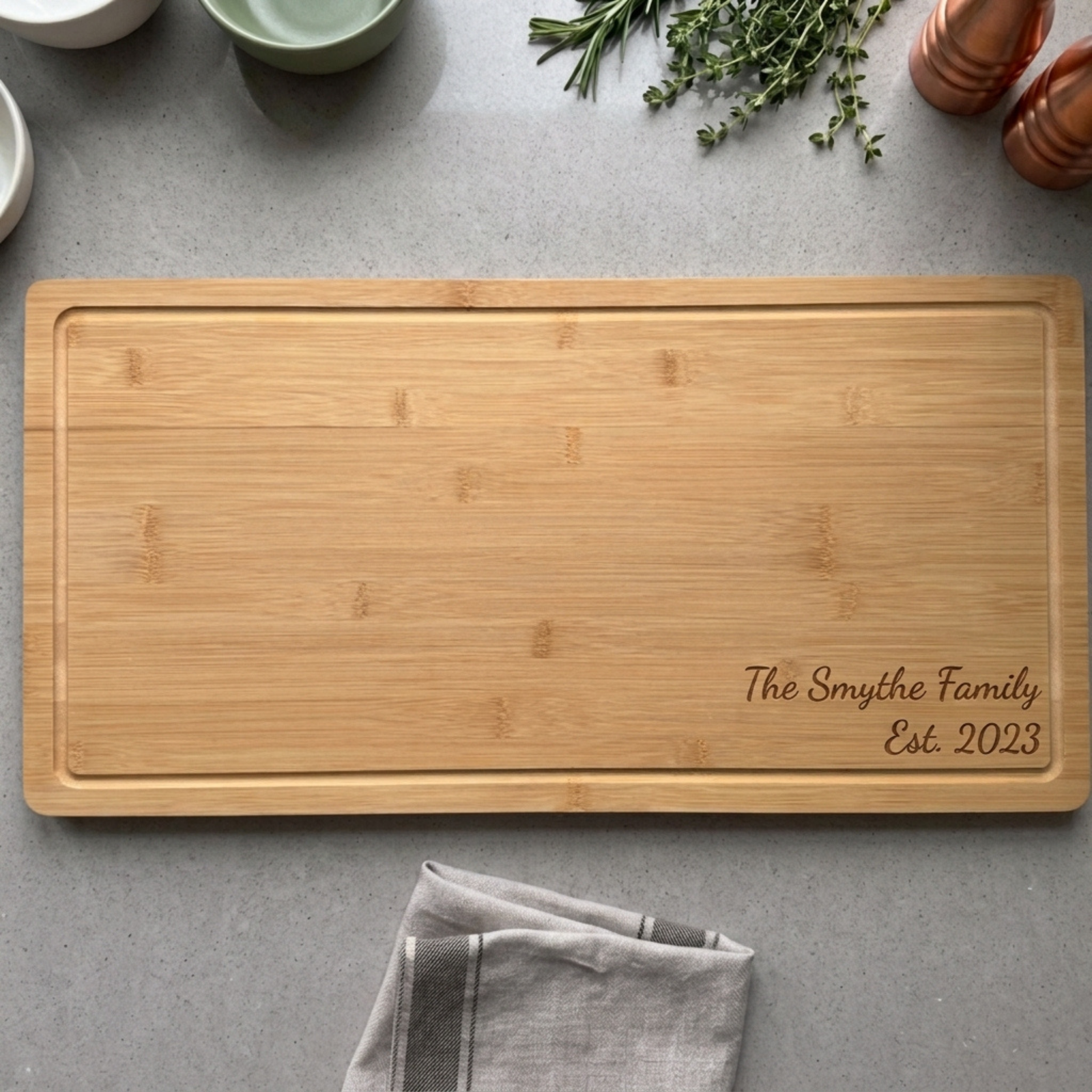
Marble Grove Personalized Charcuterie Board

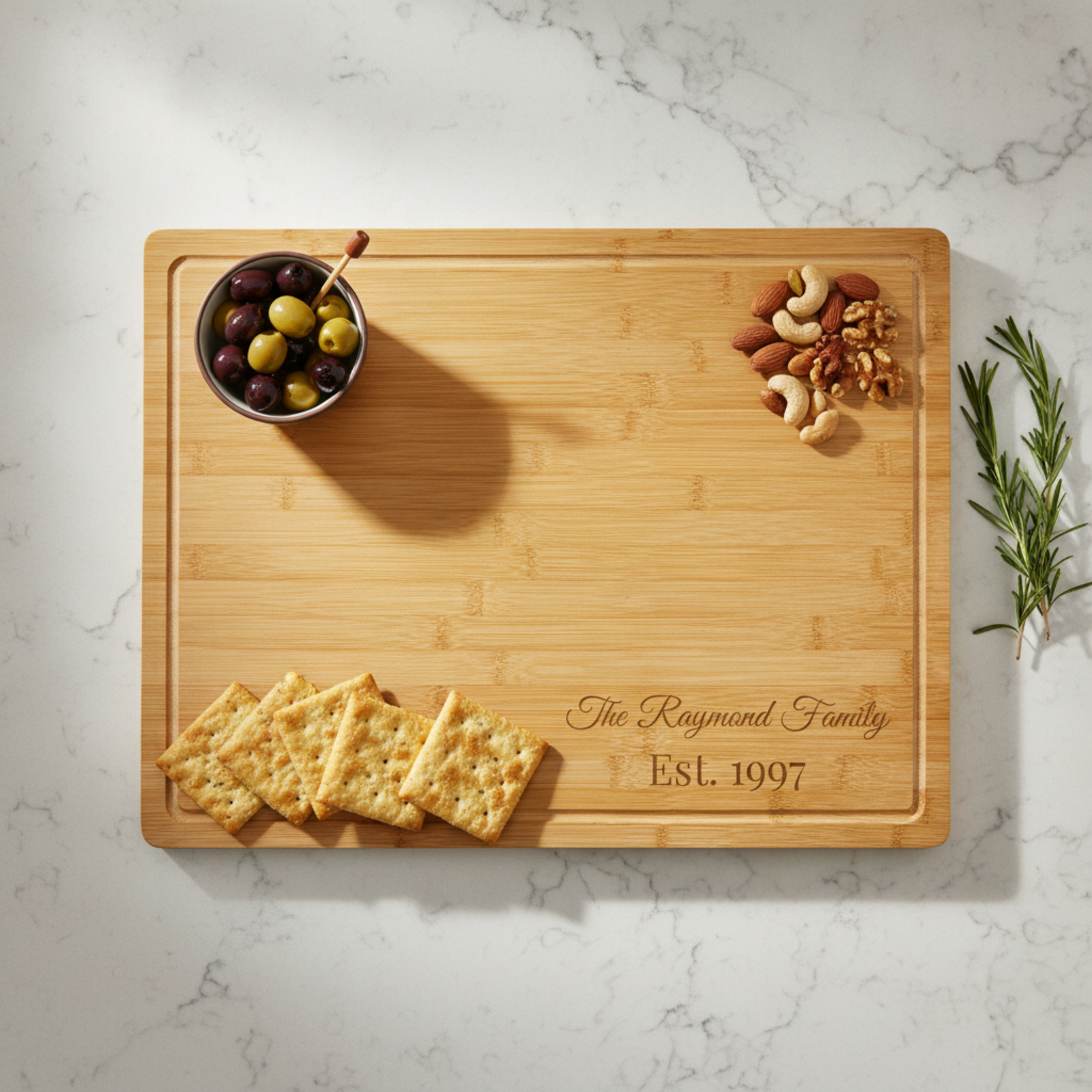
Solid wood charcuterie board with a rich natural grain surface, large enough to hold a full spread of meats, cheeses, crackers, and fruit. Deep-engraved with a family name, monogram, or custom text of your choice.

A natural pairing for a salami rose display. The warm wood tone makes the reds and pinks of folded salami pop, and the personalization turns a party appetizer into a centerpiece worth remembering.

The engraving goes deep enough to stay crisp after repeated washing, unlike laser-etched boards that fade with use.
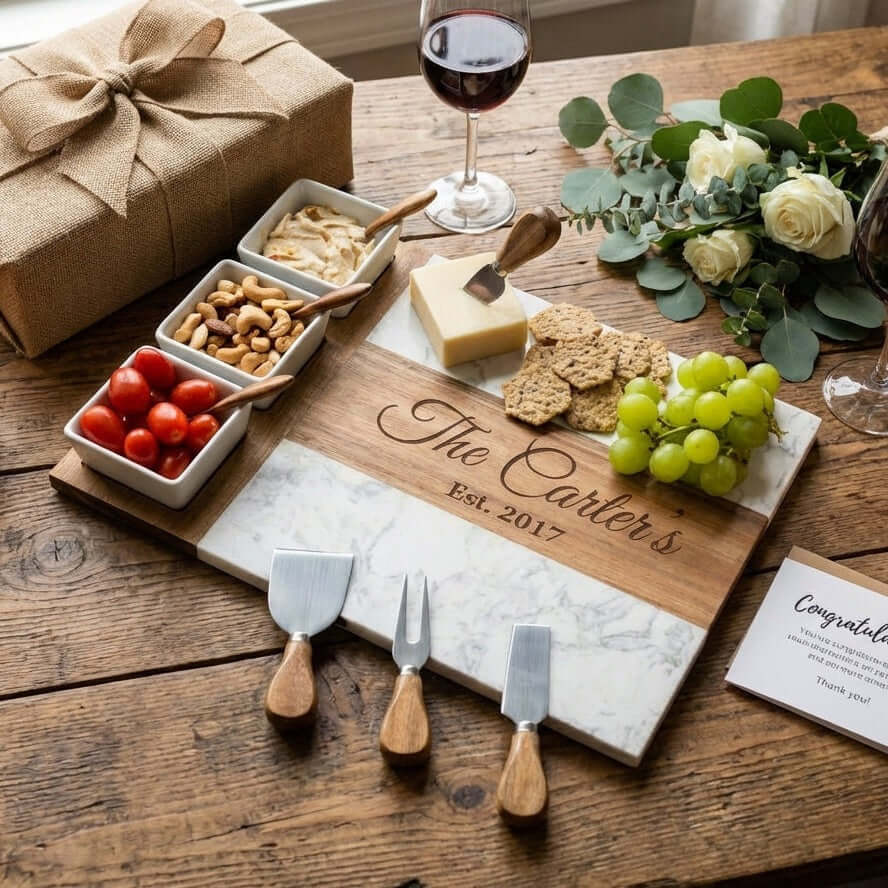
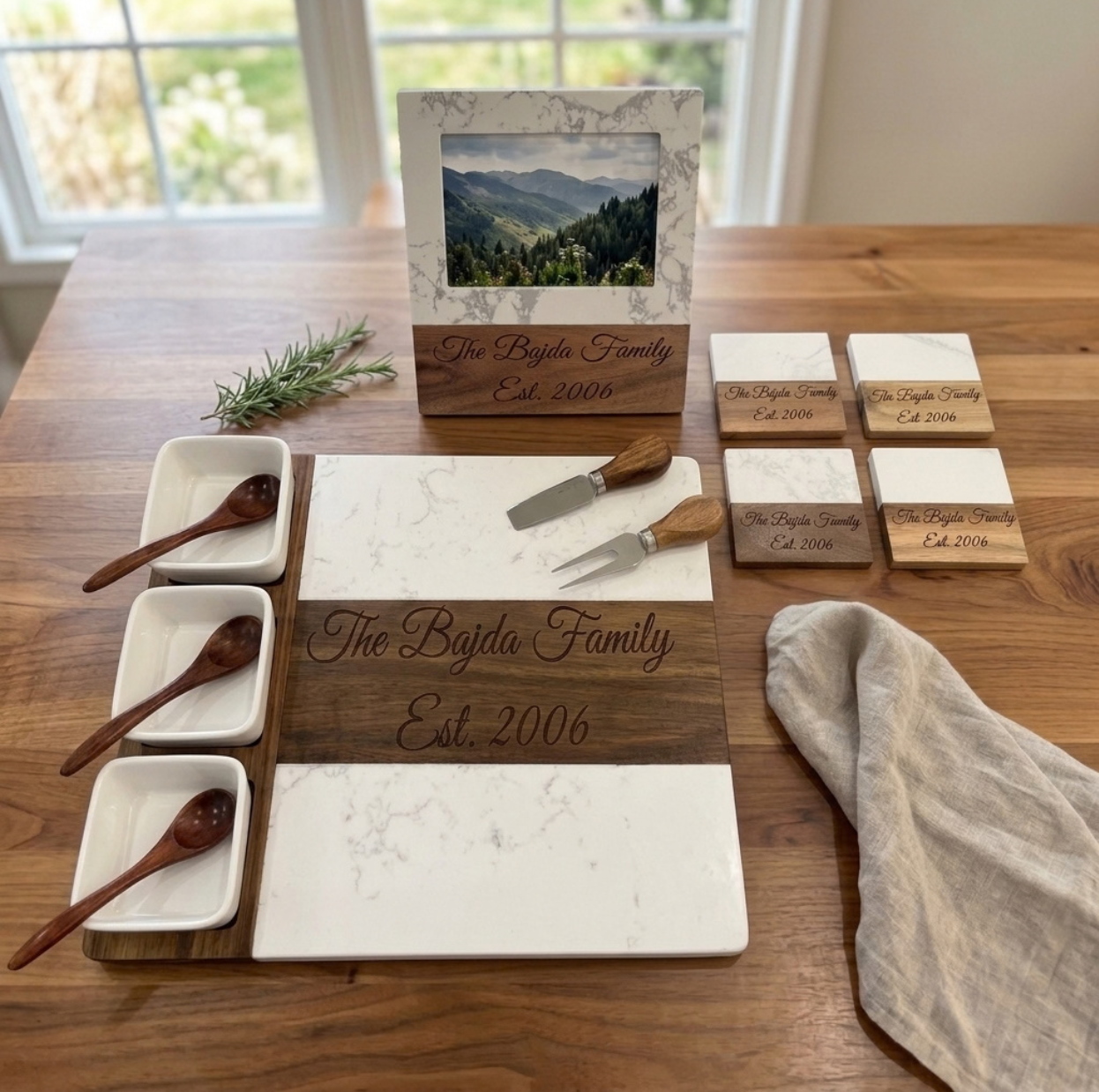
Marble Board

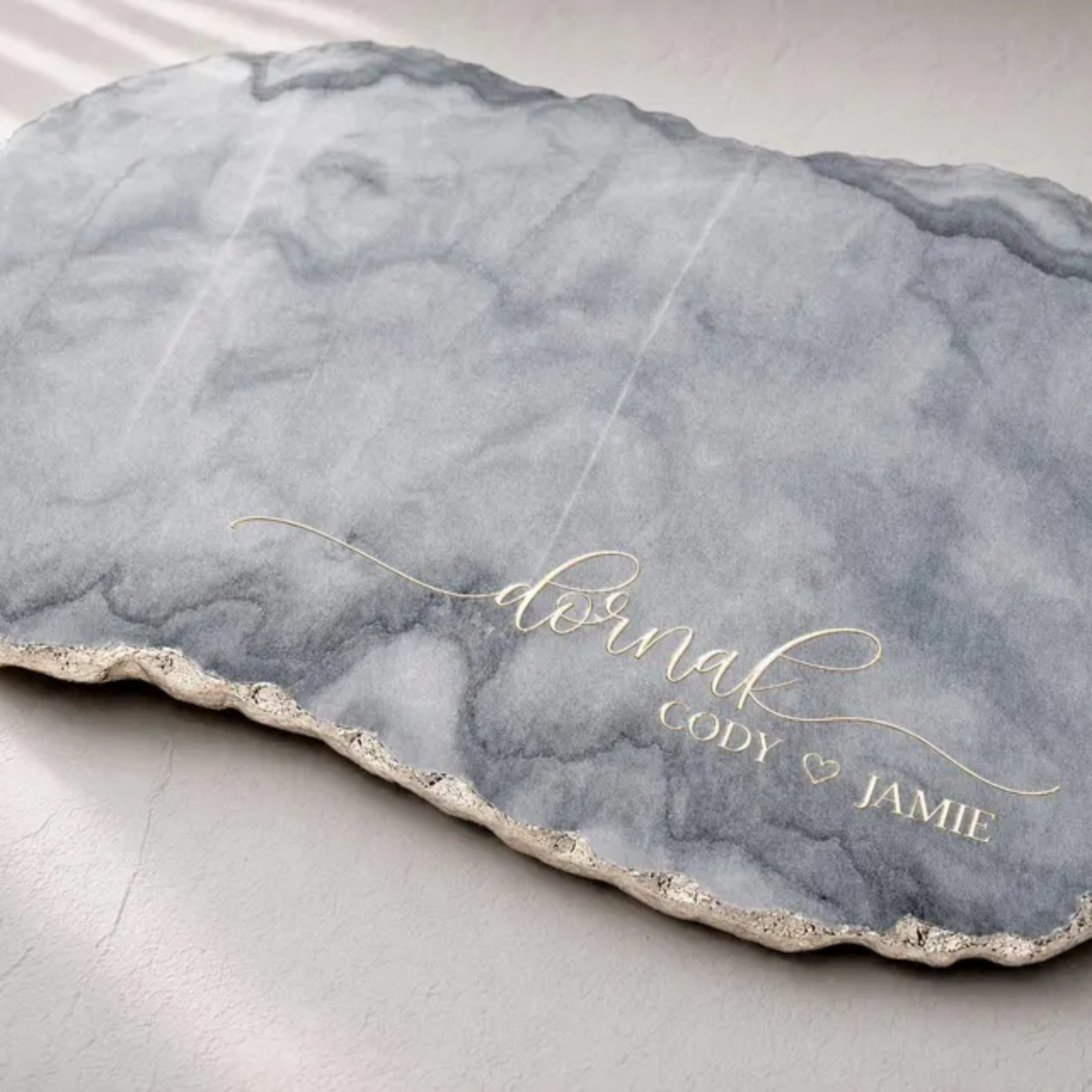
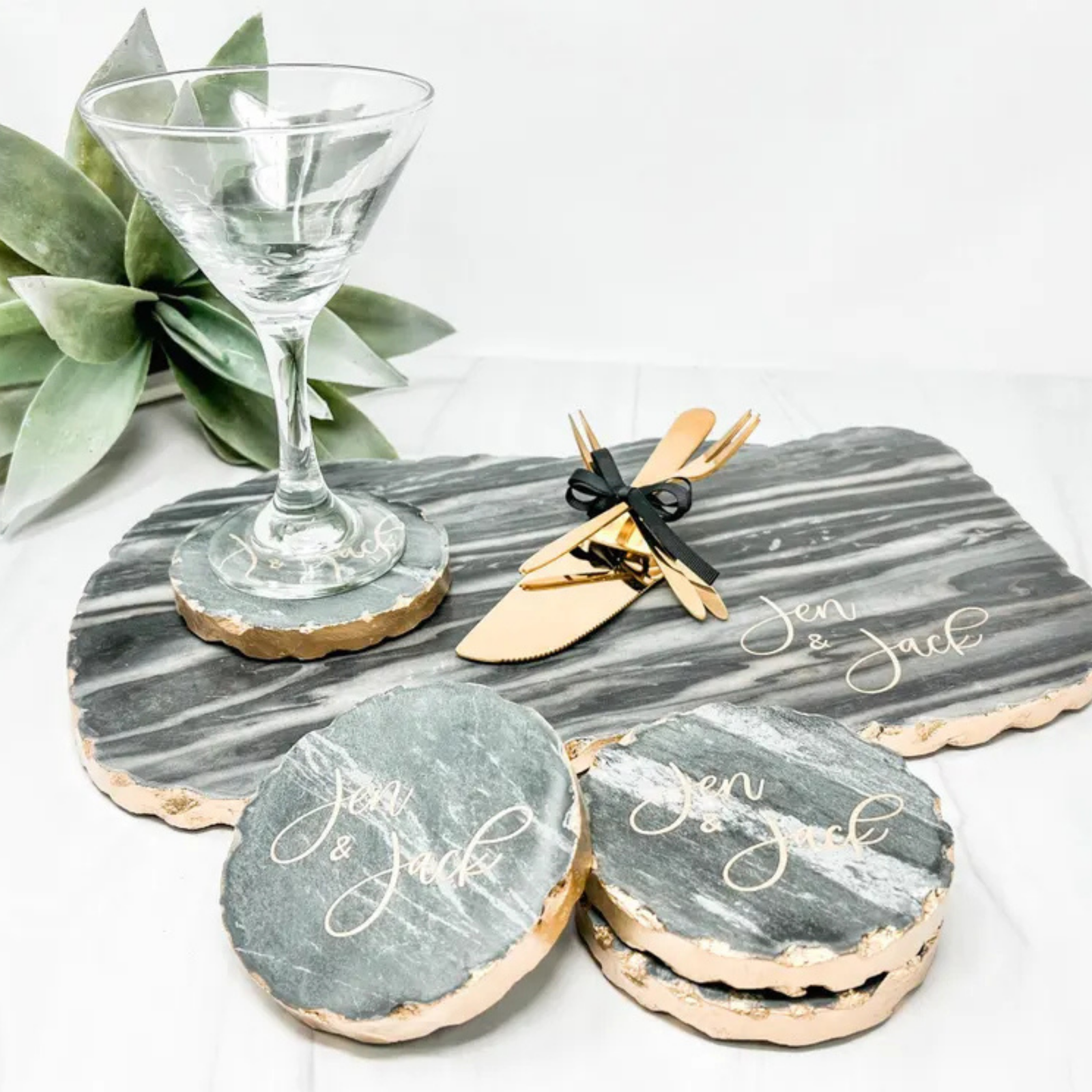
Personalized Marble Charcuterie Board with Gold Edge

Genuine marble serving surface measuring 15 by 9 inches with a hand-applied gold edge and custom engraving. Available as board only, with a knife set, with coasters, or as a complete set with knives and coasters.

The marble surface stays cool, which keeps salami and cheese at the right serving temperature longer. The gold edge adds a formal finish that makes every arrangement look intentional.

Marble stays cooler than wood, extending the life of your salami roses and keeping cheese at serving temperature throughout the gathering.

Making a Salami Rose With a Wine Glass

The wine glass method is the fastest way to a picture-perfect salami rose, and it does not require any special tools.

All you need is some thinly sliced salami and a wine glass. A cutting board and a knife help if you are slicing the salami yourself.

Step 1: Build the First Layer

Take four slices of salami, drape each one over the rim of the wine glass, and fold it in half so the fold sits inside the bowl. Push them together so they touch and start to overlap around the rim.


Step 2: Add More Layers

Keep adding folded slices, working your way toward the center of the glass. This method is neat because it uses every piece with almost no waste.

Five or six layers gives you a full rose. More layers mean a taller, fuller bloom.


Step 3: Turn the Glass Over

Place your serving plate or board over the top of the glass, then flip the whole thing over so the glass is now upside down on the board.


Step 4: Lift and Reveal the Rose

Slowly lift the glass straight up. The layered slices settle onto the board and open into a full salami rose.

The wine glass technique works even better when the glass is one worth keeping. Pair it with a personalized slate board for a full entertaining set that looks like it was planned from the start.

Slate Board

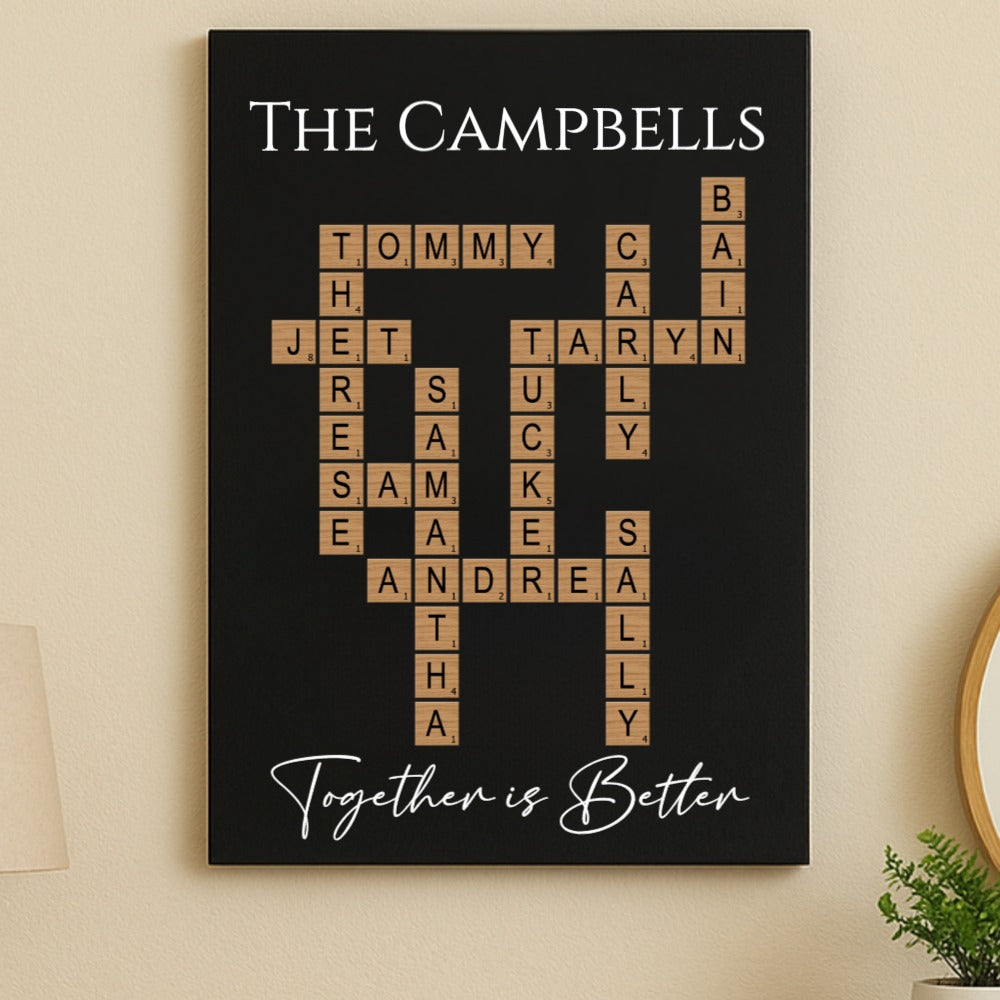
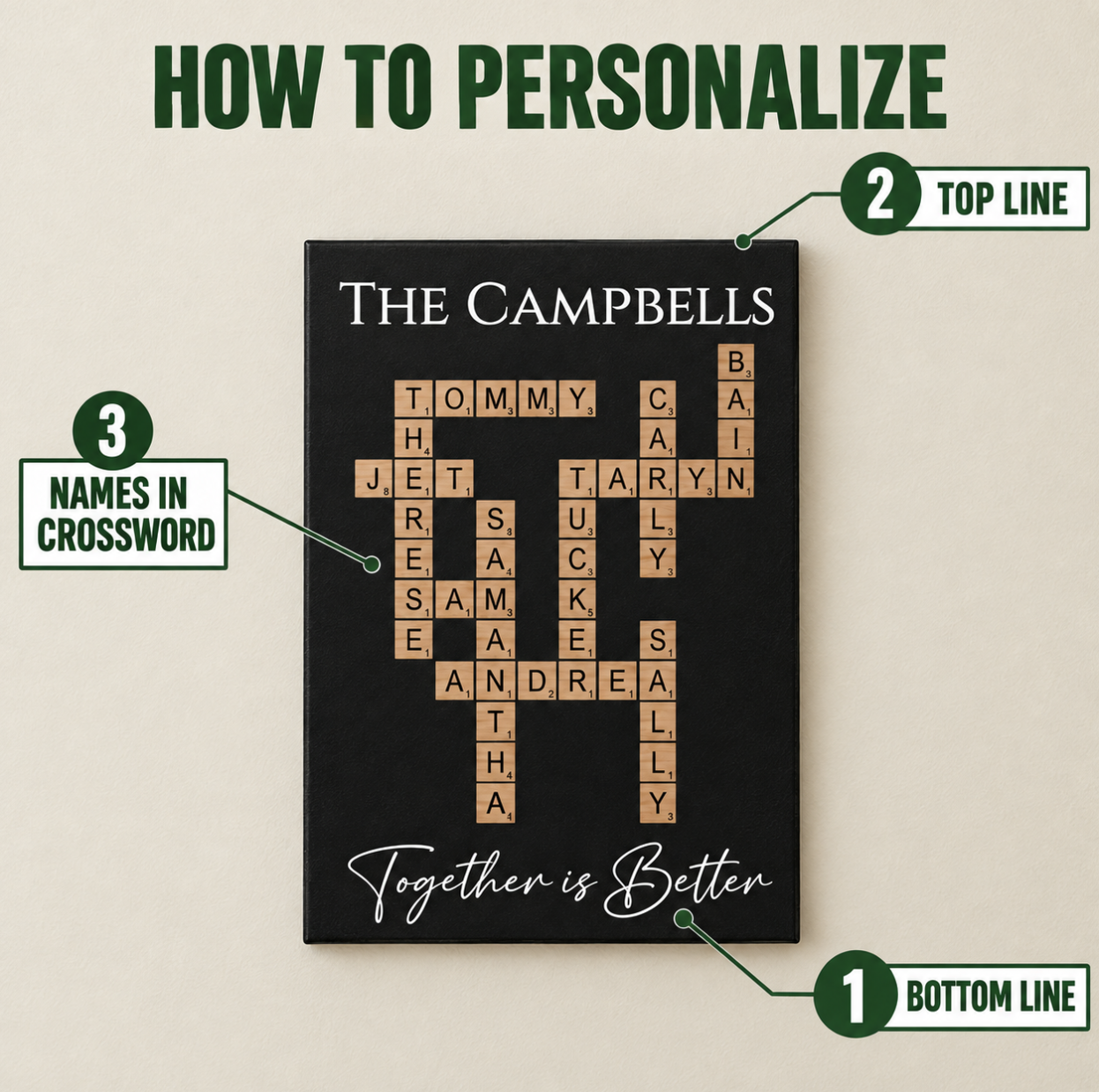
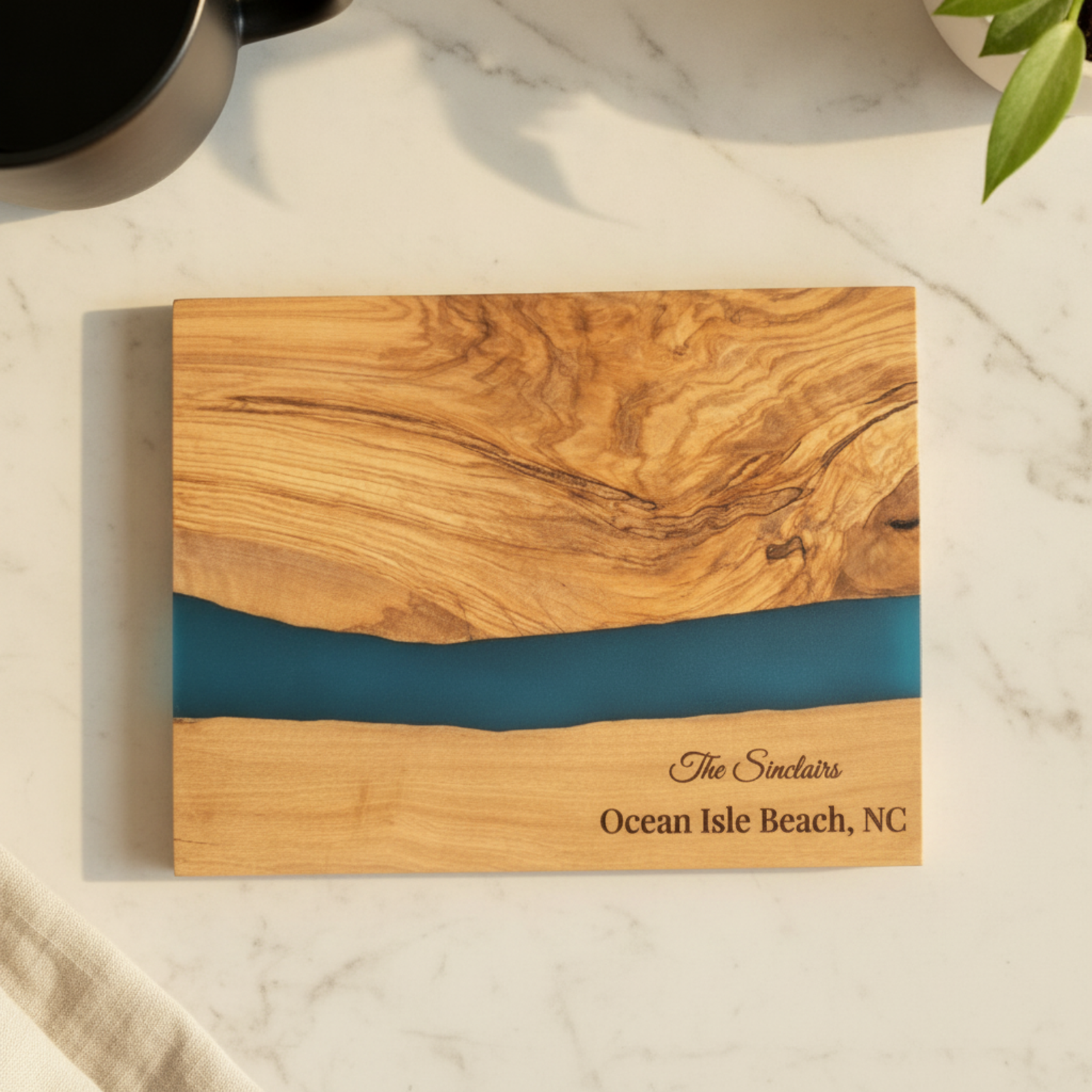
Custom Family Charcuterie Board

Slate cutting surface set in a rich Acacia wood frame, custom-engraved with a family name or any text of your choice. The dark slate creates a dramatic contrast against arranged meats, cheeses, and garnishes.

Slate is naturally antimicrobial and easy to clean, which makes it practical for repeated food service. The Acacia frame adds warmth and a stable grip so the board stays steady while you arrange your salami roses.

The slate and wood combination photographs better than solid wood, which is ideal if you plan to share your board on social media.
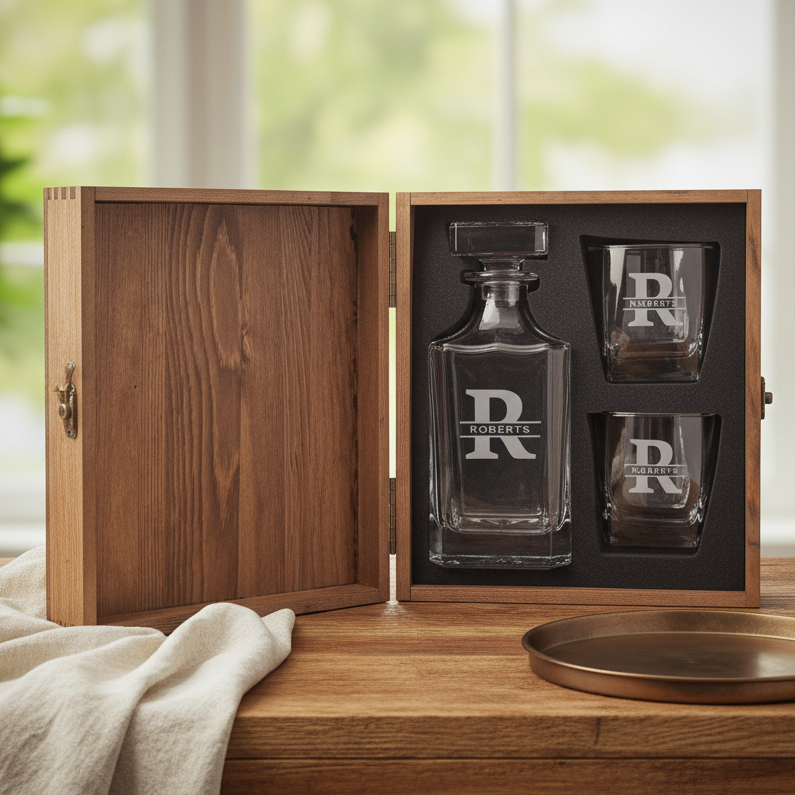
Personalized Glassware

Heritage Crest Personalized Wine Glass

Heavy-gauge, crystal-clear wine glass with a bold engraved crest featuring a custom initial and name. Wide bowl with a sturdy base, holds a full pour with room to swirl.

It is also the exact tool that makes the wine glass salami rose method work. The wide bowl and steady base give you the control to layer and flip the salami cleanly, and it doubles as a thoughtful gift alongside any charcuterie board set.

Use a personalized wine glass for the salami rose technique and you are already halfway to a complete personalized entertaining set.

The Quarter Fold

Salami slices folded into quarter-fold triangles arranged on a charcuterie board

Take a slice, fold it in half, then in half again to make a rough triangle with one rounded edge. Line the quarters up in a row or fan them along the edge of the board. It is the quickest fold and adds instant texture next to your roses.

The Classic Roll

Salami slices rolled into tight cylinders arranged in a row on a serving board

The most traditional presentation is the simple roll. Take each thin slice and roll it into a tight cylinder, then stand the rolls upright or lay them in a row. This one works with every type of salami and fills space fast when you are feeding a crowd.

The Quick Salami Fan Method

This last method makes salami fans, which are quick to fold and look elegant lined up along the edge of the board.

  1. Slice the salami about a quarter inch thick, cutting with the grain of the meat running toward you. Plan for at least two slices per guest, three if salami is the main meat on the board.
  2. Fold each slice in half, then pinch the folded edge so it holds a soft crease. That is your fan.
  3. Line the fans up in a row, overlapping each one slightly so they lean into each other. Work quickly, since the oils begin to soften the slices after a minute or two.
  4. Serving more than four people? Make a second row of fans so guests at both ends of the board have plenty to reach.
  5. Mix in a spicier salami like chorizo for color contrast, and keep milder Genoa as the base so the flavors stay balanced.

Conclusion

Whether you are building a full charcuterie board or just practicing at the kitchen counter, a few folded salami roses turn a plate of meat into something people notice.

Start with the wine glass rose if you want the fastest win, then move on to the rosette once you have the feel for it.

Pick one technique from this guide, make it twice, and it will be second nature before your next gathering.

🍕

Ordering Tips for Your Charcuterie Setup

All Willow & Hive boards ship with free personalization and arrive in 2 to 4 business days from Monroe, Connecticut. Order by Thursday for weekend entertaining. Each board is engraved and packed by hand.

Frequently Asked Questions

What type of salami is best for making roses on a charcuterie board?
Genoa salami is the most popular choice for salami roses. Its firm texture and thin slicing make it easy to fold and shape without tearing. Hard salami and soppressata also work well for rosettes and quarter folds.
How do you make a salami rose for a charcuterie board?
To make a salami rose, take four slices of salami and fold each in half into half-moon shapes. Line them up in a row overlapping slightly, then roll into a tight cylinder. Secure with a toothpick and fan out the top layers to form petals.
How many slices of salami do you need per person on a charcuterie board?
Plan for 2 to 3 ounces of cured meat per person as part of a full charcuterie spread. For salami specifically, allow 3 to 5 slices per person if it is one of several meats on the board.
Can salami roses be made ahead of time?
Yes. Salami rosettes can be made in advance, covered with plastic wrap, and stored in the refrigerator until ready to serve. Prepare them up to 24 hours ahead for best results.
What is the quarter fold salami technique?
The quarter fold is a simple salami presentation where you fold a slice directly in half, then in half again to create a rough triangle with one rounded edge. These folded quarters add texture and height to your board and work well alongside roses and rolls.
What kind of board is best for displaying salami roses?
A flat wooden or marble charcuterie board with enough surface area is ideal for arranging salami roses. Look for a board at least 12 inches long so you have room to separate each fold style. Personalized charcuterie boards add a finishing touch that makes the whole spread feel intentional.

© 2026 Willow & Hive · 484 Pepper St, Unit A, Monroe, CT 06468 · willowhive.com


Also in Charcuterie Board Ideas

A festive Christmas charcuterie board arranged in a wreath shape with brie, cranberries, rosemary, cured meats and candied pecans on dark wood.
23 Christmas Charcuterie Board Ideas for 2026 (Festive Boards + Free Shopping List)

by Chris Bajda July 16, 2026

23 Christmas charcuterie board ideas for every kind of gathering, from a 15-minute red and green classic to a show stopping tree-shaped board. Includes a price guide, a printable shopping list, and the personalized boards that turn the spread into a keepsake gift. 

Read More
A charcuterie board showcasing a variety of cheeses by texture, including brie, aged cheddar, blue cheese, gouda and parmesan with small cheese knives.
The Best Cheese for a Charcuterie Board: A Texture-First Guide to 12 Cheese

by Chris Bajda July 14, 2026

The best cheese for a charcuterie board isn't one cheese, it's a lineup across five textures. This guide breaks down 12 cheeses, three starter combos, and exactly how much to buy for any size gathering. 

Read More
An abundant charcuterie board photographed from overhead with cheeses, cured meats, fresh berries, grapes, olives, nuts and crackers on warm walnut.
60 Charcuterie Board Ideas for Every Occasion (2026)

by Chris Bajda July 08, 2026

Sixty charcuterie board ideas grouped by occasion, season, theme, size, and diet, plus a simple 5-step build, the 3-3-3-3 rule, and a copy-and-save planner so your next board comes together without a single guess.
Read More